

Why Vacation Rental Payments Fail (and How to Fix It Before Guests Abandon Checkout)
Ever felt a little anxiety as a guest, nervously waiting for the payment to process during a vacation rental checkout—hoping you don’t see an error or fraud warning? Or as a manager, stared in disbelief at yet another abandoned cart or guest complaint about payment issues? We see it too, and it’s not just an occasional tech hiccup. Payment failures are a leading driver of lost bookings and lost trust, silently eating into your conversion rates and forcing even seasoned property managers back to the safety nets (and commissions) of big OTAs.
Why So Many Vacation Rental Payments Fail—and Why It’s a Big Deal
If you operate a direct booking site, you probably already know how fragile the payment step is. A failed card, missing gateway, or delayed payout isn’t just a minor irritation—these moments can instantly wreck guest confidence, trigger a lost booking, and poison your reputation as a trustworthy provider. Payment failures in vacation rentals aren’t rare:
- Checkout abandonment for travel bookings sits near 80%, according to industry data. That’s a staggering rate of guests who bail before confirming a booking—often right at (or after) the payment step.
- Leading reasons aren’t complicated. They include lack of recognized payment options, confusion over pricing, real-time availability mismatches, security worries, and poor mobile UX.
- Permanent fallout: One botched payment experience, and many guests will not attempt a direct booking with you again. Some won’t even return to your website.
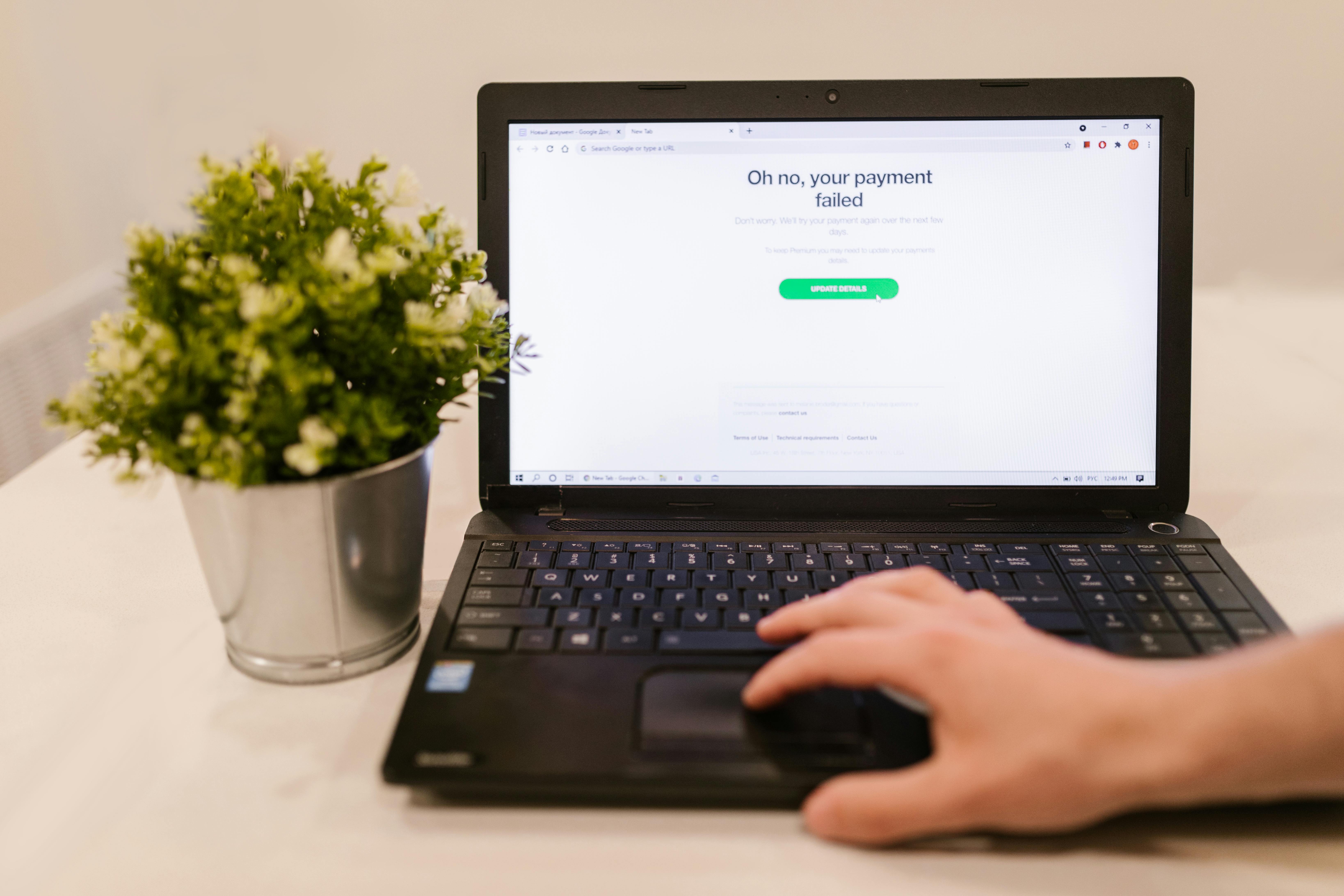
The Five Hidden Payment Failures That Cost You Bookings
Let’s break down the invisible culprits behind payment breakdowns and guest walkaways—plus actionable fixes that top direct booking businesses use right now.
1. Untrusted or Missing Payment Gateways
Guests are savvier than ever. If they don’t immediately see Visa, Mastercard, PayPal, Stripe, or another familiar processor at checkout, they pause. Unfamiliar or region-locked gateways spark instant skepticism. Worse, if your system only supports cryptic “direct transfer” or lesser-known processors, many will drop out without a second thought.
- Many guests have been burned by bank-transfer fraud or deposit scams. They look for payment logos as a minimum trust signal.
- Offering only a single option, or lacking international alternatives, instantly limits your audience and builds friction.
What Works: We recommend integrating a full suite of trusted gateways—including Stripe, PayPal, Square, Authorize.Net, and locally recognized options like Mercado Pago, Razorpay, and even select crypto or BNPL as your market requires. If your tech setup allows guests to pay how and where they want, you build conversion momentum and reduce payment friction by more than half.
2. Availability and Pricing Sync Errors
Nothing kills trust like getting halfway through a booking and learning “Sorry, this property is no longer available” or “The price just changed.” Manual updates, PMS-to-site lags, or conflicting calendars create these embarrassing moments. For property managers, it causes not just lost bookings, but accounting headaches and reconciliation nightmares.
- Disconnected systems are especially dangerous at scale, as rates and inventory can go stale in minutes during peak demand.
The Solution: A secure, real-time integration between your PMS and booking engine. This ensures property data, rates, add-ons, and availability are always up to date before the guest ever reaches the pay button. It’s easier than ever to connect modern booking engines to your favorite PMS (like Hostfully, Guesty Pro, Hostaway, OwnerRez, and Lodgify), ensuring two-way sync and reliable cart-to-confirmation flow. More on keeping your rates and inventory accurate here.
3. Confusing or Hidden Fees and Poor Mobile UX
This one is sneaky. Guests expect pricing transparency, especially after OTAs trained them to look for hidden service fees and taxes. When the checkout page adds a new deposit, doesn’t show the full total, or requires too many screens/taps, browsers close quickly.
- Hidden security deposits or ambiguous cleaning/linen fees are top drivers of last-minute cart abandonment.
- Poorly optimized mobile checkout flows—tiny buttons, overlapping text, or mandatory account registration—sink conversion rate, especially with last-minute bookers who are already on the go.
How to Fix: Use a booking engine that makes fees, taxes, and add-ons explicit—ideally, pulling this detail from the PMS itself so nothing gets out of sync. Prioritize a mobile-first UI where the entire booking can be completed quickly without pinch-zooming or maze-like navigation. If you want to see how this checklist works in practice, check the no-surprises booking engine setup guide.
4. Delayed Refunds and Poor Chargeback Handling
Bad payment stories don’t just end in the browser. Guests who cannot get prompt refunds or must navigate a maze of hosts and payment vendors to resolve issues lose trust in direct bookings permanently. This breakdown also shows up in poor reviews, chargebacks, and increased support requests.
- Some platforms route payments or refunds through opaque processes, making guests feel helpless and exposed.
- Debit card users without chargeback protection are hit hardest, fueling negative word of mouth.
A Strong Approach: Payments routed directly through your PMS, leveraging its native payment processors, maintain industry-standard security and PCI compliance, and keep all records in one place. If you do switch payment gateways or PMSs, a smart booking engine should keep your site live, allowing seamless guest experience during transitions. This is a major reason why we built HomeRunner to prioritize PMS-native payments but also support external gateways as business needs evolve.

5. No Insights into Guest Abandonment or Revenue Leaks
We all get busy, but not tracking why or when guests abandon checkout means you’ll repeat the same costly mistakes season after season. Without smart reporting built into your system, thousands in revenue quietly slip away—and you’re flying blind on what guests actually want or where your checkout process leaks.
- Are certain filters, amenities, or property types killing conversion?
- Did a recent price or policy change tank bookings?
- Are payment methods failing for specific geographies?
Best Practice: Leverage a booking engine with live dashboards and guest search analytics. Real-time reporting makes it easy to spot conversion gaps, test fixes, and track long-term upgrades like custom collections or new payment options. Our team uses guest behavior and booking analytics weekly to optimize property search and boost revenue—see our tips on tracking conversion events from search to checkout here.
How to Fix Payment Friction Before It Hurts Your Bottom Line
If you’re still patching together checkouts or juggling PMS, custom code, and gateway plugins, it’s time to get serious about fixing bookings at the source. There are a few concrete steps we’ve found to deliver the fastest leap in conversion and guest trust:
- Use a Booking Engine With Deep PMS Integration—This eliminates rate and availability mismatches, auto-syncs fees and add-ons, and ensures no manual updates. It’s the single most powerful move for property managers serious about scale.
- Support Multiple, Trusted Payment Gateways—Give guests every common option for their geography and device (card, PayPal, local gateways, mobile pay, BNPL) to remove risk and encourage quick checkout.
- Optimize for Mobile Every Time—If your booking flow isn’t fast, responsive, and clear on mobile, you’re missing out on massive last-minute and destination-impulse demand. Hidden smart features should never slow down your fastest bookers.
- Make Pricing and Policies Completely Transparent—Guests want to see the real price, deposit policy, and refund guarantee before entering payment details. A clean checkout summary with a running total and all fees listed up front builds trust. Don’t bury anything in fine print.
- Turn on Real-Time Checkout Analytics—Monitor where, when, and why guests abandon checkout so you can continually test and improve your booking experience. This should become part of your weekly operational process.
Launching a Reliable, Conversion-Focused Payment Experience: What’s Working for Us
What we’ve seen across thousands of properties is that you can radically upgrade payment reliability in less than 30 minutes—with no need to rebuild your whole site. If you’re using WordPress, there are booking engines (like HomeRunner) that bolt on to your existing site, pull in your PMS listings, and get you live with secure payments and full control the same day. The process is straightforward:
- Sign Up and get your integration access.
- Connect to your PMS (Hostfully, Guesty, Hostaway, etc.).
- Add booking engine widgets to your WordPress site—no code required.
- Select your payment options (card, gateway, mobile, PayPal, etc.).
- Customize your pricing and collections to match your unique brand.
Most of us see the first direct bookings and smooth payments within the first day, with immediate improvements in guest trust and lowered support issues. If you want to take it further and provide a truly tailored experience, read our playbook on building custom property filters or go deeper with tracking actual search-to-checkout flows.
Let’s Wrap Up—Take Control of Payments Before Guests Bail
Payment failures don’t just cost money; they damage your brand’s reputation and erode confidence in direct bookings. By focusing on trusted payment gateways, seamless PMS sync, transparent checkout flows, and real-time analytics, you’ll transform abandoned carts into delighted guests.
Curious how this could work on your site? Explore HomeRunner for a flexible booking engine approach or dive into the resources above for more actionable tactics. There’s zero risk to try and plenty of upside in guest retention, trust, and conversion. Your guests—and your bottom line—deserve a checkout that works every time.